U6 U6K Specs, Features, and Value: Is it worth the price tag?
The television market has undergone a significant shift in recent years. While the high-end segment continues to push the boundaries of OLED and MicroLED technology with price tags that rival used vehicles, the "budget-premium" space has become the true battleground for most consumers. In this competitive landscape, the Hisense U6K (often referred to simply as the U6) stands as a pivotal model. As the entry point to Hisense’s Mini-LED lineup, it promises technologies that were previously reserved for flagship models at a fraction of the cost. For shoppers looking to upgrade their living room or gaming setup without draining their savings, the U6K presents an intriguing proposition: can a "budget" Mini-LED TV truly deliver a premium viewing experience?
Understanding the Mini-LED Revolution in the Entry Level
To appreciate what the U6K brings to the table, one must first understand the technology powering it. Traditional LED-LCD TVs use a backlight consisting of several dozen or perhaps a few hundred LEDs. The U6K utilizes Mini-LED technology, which involves significantly smaller LEDs—roughly the size of a grain of sand. By packing thousands of these tiny lights into the backlighting array, the television gains much finer control over brightness and contrast. This is combined with Quantum Dot technology (the "U" in ULED), which uses a layer of nanocrystals to produce more vibrant, accurate colors than standard LCD panels. In the past, this combination was prohibitively expensive; the U6K is Hisense’s attempt to democratize high-end picture quality.
Detailed Product Analysis: Hardware and Software
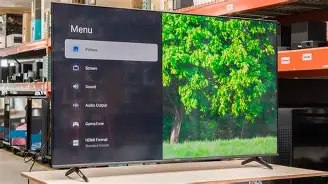
The U6K follows a modern design aesthetic that prioritizes the screen above all else. It features a "bezel-less" design on three sides, which helps the display feel larger and more immersive. The chassis is primarily plastic, as is expected at this price point, but it feels sturdy enough for daily use. The stands are simple feet that provide adequate stability, though they do require a wide piece of furniture if you aren't planning to wall-mount the unit.
The Panel and Backlighting
At the heart of the U6K is a VA (Vertical Alignment) panel. VA panels are known for their high native contrast ratios, which means they can produce deep blacks compared to IPS panels, which often look grey in dark rooms. When you pair this VA panel with the Mini-LED backlighting and Full Array Local Dimming (FALD), the result is a depth of image that is rare for a TV in this price bracket. The local dimming zones allow the TV to turn off or heavily dim sections of the backlight behind dark parts of a scene while keeping bright sections illuminated. This reduces "blooming"—the messy halo of light that usually surrounds white text on a black background.
Brightness and HDR Performance
Brightness is often where budget TVs fail, appearing washed out in sunlit rooms. The U6K reaches a peak brightness that is impressive for its class. While it won't hit the blinding 1,500 or 2,000 nits of a top-tier U8K or a premium Samsung Neo QLED, it provides enough luminance to make HDR (High Dynamic Range) content pop. Importantly, the U6K supports all major HDR formats, including HDR10, HDR10+, HLG, and Dolby Vision. This universal support is a massive win for consumers, as it ensures that whether you are watching a movie on Netflix (Dolby Vision) or a 4K Blu-ray (HDR10+), the TV will display the content as the creators intended.
The Google TV Interface
Operating systems can make or break a TV experience. The U6K runs on Google TV, which is widely considered one of the best smart platforms available today. The interface is content-forward, pulling recommendations from all your subscribed streaming services like Disney+, Hulu, and YouTube onto a single home screen. It is generally responsive, though occasionally a heavy app might cause a split second of lag. A significant benefit of Google TV is the built-in Google Assistant, allowing for voice searches through the remote, and Chromecast built-in, which makes sharing content from a smartphone or laptop seamless.
Gaming Features: A Mixed Bag for Enthusiasts
For gamers, the U6K offers a suite of modern features but comes with one notable limitation. It includes "Game Mode Plus," which enables Variable Refresh Rate (VRR) and Auto Low Latency Mode (ALLM). VRR is essential for eliminating screen tearing, and ALLM ensures the TV automatically switches to its fastest response time when a console is detected. The TV also supports Dolby Vision Gaming, which is a standout feature for Xbox Series X users. However, the panel is limited to a 60Hz refresh rate. This means that while it handles 4K gaming beautifully, it cannot reach the 120Hz frame rates that the PS5 and Xbox Series X are capable of. For casual gamers or those who prioritize resolution and color over ultra-high frame rates, this is an acceptable trade-off, but competitive shooters may want to look at the higher-tier U7K model.
Real-World Use Cases: Where the U6K Shines
The Dark Room Cinema Experience
If your primary use for a TV is watching movies at night or in a dedicated basement theater, the U6K is an exceptional value. The black levels provided by the VA panel and Mini-LED zones create a cinematic feel that edge-lit TVs simply cannot match. In horror movies or space dramas, where shadows are prevalent, the U6K maintains detail in the dark areas without crushing them into a glob of blackness.
Shop the latest TVs & Home Theater picks on Amazon.
See Deals →The Bright Living Room Challenge
For more common living room setups with windows and ambient light, the Quantum Dot layer helps the colors remain saturated and visible. While its anti-reflective coating is average, the sheer brightness of the Mini-LEDs is often enough to overcome glare during daytime sports or news broadcasts. It’s a versatile "all-rounder" that doesn't force you to close the curtains every time you want to watch TV.
Performance Comparison Table
To better understand how the U6 / U6K sits within the current market, consider the following technical breakdown compared to theoretical competitors in the entry-level and mid-range space.
| Feature | Hisense U6K (Mini-LED) | Standard Budget LED TV | Mid-Range Premium TV |
|---|---|---|---|
| Backlight Type | Mini-LED with Local Dimming | Edge-Lit or Direct-Lit | Full Array Local Dimming (FALD) |
| Panel Technology | Quantum Dot (QLED) | Standard LCD | High-Ourtput QLED |
| Refresh Rate | 60Hz | 60Hz | 120Hz |
| HDR Formats | Dolby Vision, HDR10+, HLG | HDR10 only (usually) | All Formats |
| Peak Brightness | Approx. 500-600 nits | Approx. 250-300 nits | 1,000+ nits |
| Gaming Features | VRR, ALLM, 60fps | None or ALLM only | HDMI 2.1, 4K/120Hz |
Pros and Cons: A Balanced View
Every piece of technology involves compromises to meet a specific price target. Here is the breakdown of what the U6K gets right and where it falls short.
- Pros:
- Unbeatable Value: It is one of the most affordable ways to get Mini-LED technology in your home.
- Excellent Contrast: The combination of a VA panel and local dimming results in deep, convincing blacks.
- Vibrant Colors: Quantum Dot technology ensures a wide color gamut, making HDR content look rich and lifelike.
- Comprehensive HDR Support: No need to worry about format wars; it supports everything from Dolby Vision to HDR10+.
- Smart Software: Google TV is intuitive, well-supported, and features a massive library of apps.
- Low Input Lag: Even without 120Hz, the response time is very low, making gaming feel snappy and immediate.
- Cons:
- 60Hz Native Refresh Rate: A limitation for those wanting the smoothest 120fps gaming on newest consoles.
- Viewing Angles: Like most VA panels, the image loses color accuracy and contrast when viewed from a sharp side angle.
- Processing Power: While the image is great, the upscaling of low-resolution content (like old DVDs) is good but not world-class compared to Sony or LG.
- Audio Quality: The built-in speakers are adequate for news and dialogue but lack the bass needed for a true movie experience; a soundbar is recommended.
Buying Guide: Is the U6K Right for You?
Choosing a TV in the modern era is about matching your habits to the hardware. The U6K is a specific tool designed for a specific buyer. Before pulling the trigger, ask yourself these three critical questions.
How sensitive are you to "gray" blacks?
If you have previously owned a basic LED TV and felt frustrated that dark scenes in movies looked more like "foggy gray," the U6K will be a massive upgrade for you. The Mini-LED backlighting addresses this specific problem better than almost any other TV at this price point. It represents the "floor" for acceptable dark-room performance in the modern era.
What are your gaming priorities?
If you are a competitive gamer who plays Call of Duty or Halo and demands the 120Hz "fluidity" that your console can provide, you may find the U6K’s 60Hz limit frustrating. However, if you mostly play single-player epics like The Last of Us, Elden Ring, or Starfield, where the focus is on visual fidelity and HDR impact rather than frame rate, the U6K’s superior color and contrast will likely matter more to you than 120Hz ever would.
What is your room layout?
Because the U6K uses a VA panel to achieve those deep blacks, it suffers from narrow viewing angles. If you have a wide sectional sofa or a room where people often watch from the side, those sitting on the ends will see a "washed-out" image. This TV is best suited for rooms where the seating is mostly dead-center in front of the screen. If you have a wide-angle seating arrangement, you might need to look for an IPS-based panel or shell out significantly more for an OLED.
Find top-rated TVs & Home Theater products at great prices.
Browse Now →Comparing the Sizes: 55, 65, and 75 Inches
The U6K is available in several sizes, and it is worth noting that performance can vary slightly. Generally, the larger the screen, the more dimming zones the TV requires to maintain its contrast. The 65-inch and 75-inch models are particularly popular because they offer a "big screen" experience that highlights the benefits of 4K and HDR. If you have the space, the 65-inch U6K is often considered the "sweet spot" for value, providing a massive canvas for the Quantum Dot colors to shine without the exponential price increase seen in larger high-end sets.
The Verdict: Is it Worth the Price Tag?
When assessing whether the U6K is worth the investment, one must look at the alternatives. In its price range, you will find plenty of "standard" 4K TVs from big-name brands that lack local dimming entirely and use inferior edge-lighting. Compared to those models, the U6K isn't just a little better; it belongs to a different class of visual quality altogether.
The price tag of the U6K typically puts it in a position where it is slightly more expensive than basic entry-level TVs but significantly cheaper than mid-range powerhouses. For that modest "step-up" in price, you receive a disproportionate increase in performance. You are getting the same core HDR formats and color technology found in TVs that cost twice as much. While the 60Hz panel and average viewing angles are real compromises, they are justified by the exceptional contrast and color accuracy provided during standard viewing.
Ultimately, the Hisense U6K is a triumph of value engineering. It is a television that respects the buyer's budget while refusing to settle for a mediocre image. If you want a TV that makes your 4K streaming content look like a million bucks without actually costing it, the U6K is arguably the strongest contender in the market today. It is more than worth the price tag; it sets a new standard for what we should expect from an "affordable" television.
For the average viewer who wants to enjoy a Friday night movie with deep shadows and vibrant colors, or the casual gamer who wants their fantasy worlds to look lush and detailed, the U6K is a stellar choice. It proves that you don't need a flagship budget to enjoy a flagship-inspired experience. By focusing on the fundamentals of picture quality—contrast, color, and brightness—Hisense has created a TV that punches far above its weight class.