Don't Buy the Wireless Gaming Headset Until You Read This Full Analysis
Introduction
Wireless gaming headsets promise freedom of movement, clear in-game audio, and integrated microphones for team communication. Yet the shift from wired to wireless introduces trade-offs — from latency and battery life to software dependence and long-term durability. This article offers a detailed, practical analysis of the wireless gaming headset category to help prospective buyers decide whether a specific wireless model meets their priorities and use cases.
What this analysis covers
The article breaks down the most important factors for gamers and audio-conscious users: sound quality and imaging, microphone performance, wireless latency and connectivity, battery life and charging, comfort for long sessions, construction and maintenance, software and customization, and real-world scenarios that reveal strengths and weaknesses. It concludes with a balanced pros & cons list, a comparison table against other headset types, and a buying guide tailored to different buyer priorities.
Detailed product review and analysis
Design and build quality
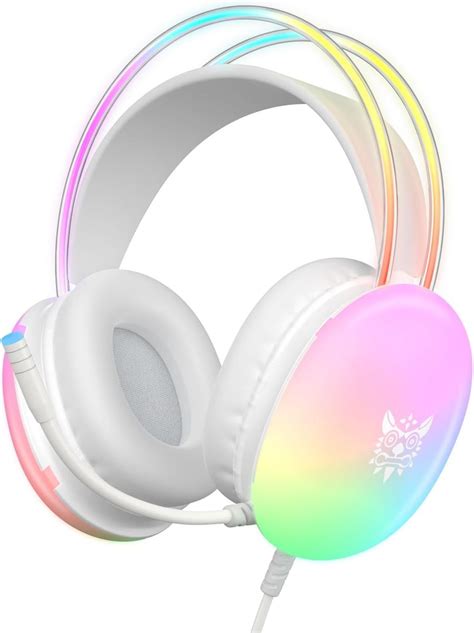
Most wireless gaming headsets emphasize a mix of plastics, alloys, and memory foam. The design goal is lightness plus visible gaming aesthetics—RGB lighting, angular earcup shapes, and prominent logos. In practice, the long-term experience depends less on the looks and more on materials and hinge mechanisms. A headset that is visually striking can still fail in the third year if the headband adjustment uses thin exposed wires or low-tolerance plastic joints.
Buyers should look for solid headband reinforcement (metal or thick composite), sealed earcup seams, and easily replaceable ear cushions. Replaceable cushions and detachable cables (for wired fallback) extend usable life and reduce total ownership cost.
Comfort and fit for long sessions
Comfort is a top concern for anyone who spends hours in multiplayer sessions or marathon single-player campaigns. Padding density, clamping force, earcup size, and weight distribution determine how comfortable a headset feels after two, four, or eight hours.
- Weight: Heavier headsets can feel premium, but weight concentrated on the top of the head causes pressure and heat. Look for balanced designs with distributed padding.
- Padding type: Memory foam with breathable fabric reduces heat buildup compared to synthetic leather, which traps heat but often provides better isolation.
- Head shape compatibility: Adjustable headbands and rotating earcups offer better fit for different head shapes. Users with glasses should check low clamping force models to avoid soreness on the temples.
Sound quality and spatial accuracy
Sound quality divides into several dimensions: frequency response (bass, midrange, treble), imaging (where sounds appear in space), and soundstage (perceived size and layering). For gaming, imaging and midrange clarity are often more important than exaggerated bass. A headset that smothers mids sacrifices footsteps and voice clarity.
Wireless headsets typically use either a proprietary low-latency 2.4 GHz dongle or Bluetooth. The 2.4 GHz approach usually preserves a higher-fidelity, lower-latency signal and supports multichannel or virtual surround processing on the device. Bluetooth compromises some detail and latency but offers broader device compatibility.
Key listening observations to make during a hands-on test:
- Footstep resolution: Are enemies' footsteps distinct, or muddied by heavy bass?
- Directionality: Can the headset place gunfire and ambient cues accurately left/right and front/back?
- Dialogue clarity: Is in-game speech intelligible without cranking master volume?
Microphone performance and communication
The microphone is the single most important accessory for team-oriented gamers. Clarity, noise rejection, tonality, and on-head mic placement are critical. Built-in condenser mics and boom mics differ: boom mics closer to the mouth usually perform better for voice clarity and noise suppression.
Real-world tests should focus on:
- Background noise handling — does the mic isolate keyboard clicks, HVAC noise, or roommates?
- Connectivity swallow — is voice quality consistent when switching between wireless and wired operation?
- Mute convenience — is there an easy-to-reach mute toggle that provides tactile feedback?
Wireless latency and multiplayer performance
Latency is the most discussed wireless downside in gaming. For competitive players, even tens of milliseconds can matter. Proprietary 2.4 GHz dongles minimize latency and are the preferred solution for tournament-level play, while standard Bluetooth (especially older codecs) can introduce noticeable delay.
Discover deals on Audio & Headphones — updated daily.
Browse Now →Latency considerations:
- Codec and connection type: AptX Low Latency and proprietary radio links are best; SBC or older Bluetooth codecs are often unsuitable for twitch-based shooters.
- Device switching: Seamless switching between PC, console, and mobile varies by headset. Dongle-based systems may only support one platform at a time unless the manufacturer explicitly enables multi-host pairing.
- Interference: Wireless performance in crowded Wi‑Fi/2.4 GHz environments can dip. Headsets that dynamically change channels or use retransmission strategies tend to be more resilient.
Battery life and charging
Battery expectations are very use-case dependent. Casual players may be comfortable with 12–20 hour claims, while marathon streamers prefer 30+ hours or hot-swappable batteries. Important details include charge time, battery health over time, and whether the headset supports wired operation while charging.
Practical battery tips:
- Look for realistic battery life figures tested at moderate to high volume levels rather than marketing peak numbers.
- Fast charging can be a lifesaver — 15–30 minutes of charging that yields several hours of playtime is useful during short breaks.
- Check whether LEDs or companion apps report exact remaining percentage rather than a vague battery light.
Software, customization, and firmware
Companion software can add EQ presets, virtual surround tuning, mic processing, and macro mappings. Software quality varies widely: some companies provide deep, well-documented tools; others offer minimal or buggy interfaces. Consider whether the headset can store settings on the device (onboard profiles) versus requiring the software to be active to use custom tuning.
Frequent firmware updates are a good sign; they show ongoing support for latency fixes and compatibility improvements. However, software that forces cloud accounts or invasive telemetry can be a downside for privacy-minded users.
Durability, warranty, and support
Evaluate the warranty duration and the manufacturer’s reputation for support. Lightweight construction can be comfortable but fragile; look for replaceable parts and a straightforward return policy. Repairs for headsets are often uneconomical, so a two-year warranty and accessible customer service channels are practical advantages.
Real-world use cases — who benefits most
Competitive esports players
Low-latency, consistent imaging, and a pro-grade microphone matter most. A dongle-based wireless solution with proven latency under 20 ms, or a wired fallback mode, is preferable. The headset should be light for extended wear and have minimal software dependency to reduce points of failure during tournaments.
Content creators and streamers
Microphone quality is paramount for streamers who rely on integrated audio capture. Many content creators prefer discrete microphones on booms or standalone USB/XLR mics for the highest quality. However, a wireless gaming headset that prioritizes natural midrange and a broadcast-tone mic can be a strong on-camera choice for mobility between scenes.
Console and living-room gamers
Comfort, battery life, and simple pairing are top priorities. Since consoles often lack direct support for Bluetooth headsets without additional hardware, a headset that provides a compatible dongle or robust optical/USB audio handling is more convenient. For couch co-op, a wide soundstage and low clamping force deliver the best shared experience.
Mobile and casual players
Bluetooth-based headsets that balance battery life with hands-free calling are fine for gaming on phones and tablets. However, mobile gamers should check for the specific Bluetooth codec support and whether the headset supports low-latency modes for multiplayer mobile titles.
Pros & Cons
- Pros
- Freedom of movement and cable-free setup for living-room or multi-device use.
- Integrated features like on-board EQ, quick mute switches, and wireless-specific profiles.
- Proprietary wireless links can achieve near-wired latency and high-fidelity audio.
- Many models include detachable cables for wired fallback, extending versatility.
- Cons
- Potential latency issues, especially with Bluetooth or poorly implemented wireless stacks.
- Battery life constraints and degradation over time.
- Higher price compared to equivalent wired options with similar audio quality.
- Dependence on companion software for full functionality can be a usability and privacy concern.
Comparison table: Wireless gaming headset vs Bluetooth vs Wired
| Category | Wireless Gaming Headset (2.4 GHz dongle) | Bluetooth Headset | Wired Headset |
|---|---|---|---|
| Latency | Low (suitable for competitive play) | Higher (can be noticeable in fast-paced games) | Minimal (best for twitch response) |
| Audio Fidelity | High (supports multichannel or high-bitrate streams) | Variable (codec-dependent) | High (no wireless compression) |
| Compatibility | Usually requires USB dongle; great with PC/console with USB ports | Broad device compatibility; easy with phones/tablets | Wide compatibility; works with any analog/USB audio source |
| Battery | Required (often 12–40+ hours) | Required (often 8–30 hours) | Not required (no charging) |
| Convenience | Very convenient for untethered gaming; potential host switching complexity | Very convenient for mobile; sometimes limited for gaming | Least convenient physically but simplest technically |
| Price | Mid to high | Low to mid | Low to high |
Buying guide: What to check before purchasing
1. Identify the primary use case
Is the headset for competitive esports, streaming, console play, or mobile gaming? Competitive players should prioritize low-latency dongle solutions or wired fallback. Streamers need high-quality microphone capture or a detachable boom. Casual and mobile players can prioritize comfort and battery life.
Find top-rated Audio & Headphones products at great prices.
Shop Amazon →2. Prioritize latency and connection type
Ask whether the headset uses a dedicated low-latency 2.4 GHz dongle or Bluetooth. Verify if the manufacturer provides measured latency figures or third-party latency tests. If low latency is critical, avoid pure Bluetooth-only solutions unless the headset supports low-latency codecs and the game device does as well.
3. Test microphone clarity in realistic conditions
Read or watch voice samples recorded in typical gaming environments: mechanical keyboards, shared living spaces, and background chatter. If possible, test the mic in a voice call to gauge perceived clarity. A good mic preserves the voice timbre without amplifying breath or plosives.
4. Check battery behavior and charging options
Prefer headsets that allow wired operation while charging and that provide realistic battery life measurements at normal listening volumes. Fast-charging capability is a major convenience. Ask whether the battery is user-replaceable or fixed; replaceable batteries simplify long-term ownership.
5. Evaluate software and onboard profiles
Decide whether companion software is a feature or a burden. Onboard profile storage is useful when the software is not always available, such as when playing on a console. Look for headsets with intuitive apps, sensible EQ defaults, and the option to disable telemetry.
6. Comfort and physical fit checklist
Measure clamp pressure, earcup size, and padding material. If the product page lacks these details, look for hands-on reviews or community feedback. Comfort factors are the most frequent reason for returns and long-term dissatisfaction.
7. Durability and repairability
Check for replaceable ear cushions, detachable cables, and documented repairability. A headset that allows simple part replacement reduces waste and total cost of ownership. Confirm warranty length and whether the manufacturer has a reputation for honoring claims without lengthy delays.
8. Consider the ecosystem
Some headsets integrate with broader gaming ecosystems (console-specific party chat, RGB software ecosystems, or brand-specific audio suites). Determine whether those integrations add real value or are unnecessary complexity.
Final considerations and red flags
There are a few warning signs that should make a buyer pause:
- Unrealistic marketing battery claims without any independent verification.
- Frequent firmware updates addressing major issues soon after release — a sign of rushed launch quality.
- Lack of wired fallback for updates, charging, or when the battery dies.
- Opaque privacy or telemetry practices in companion apps.
Conclusion
A wireless gaming headset can deliver the mobility and convenience gamers want, but it is not a one-size-fits-all upgrade over wired alternatives. Buyers should match the headset’s strengths to their priorities: choose a low-latency dongle-based model for competitive play, a comfortable long-life battery model for marathon sessions, and a Bluetooth-first model for multi-device casual use. Evaluate microphone samples, verify real battery performance, check whether the software stores settings on the device, and confirm return and warranty policies. With these checks, the right wireless gaming headset will enhance gameplay without unexpected compromises. Read reviews that test latency, mic quality, and real-world comfort, and prioritize durability and replaceability to ensure the purchase stands up to daily use.